Cupping-Specific Information
…What even is cupping?
Cupping (kup•ing) n.
1) a way of treating pain using negative pressure. Cupping uses various materials of cups, such as silicone, plastic, and glass. The cups are placed on the skin using manual force, heat, or a vacuum mechanism so that the flow of blood to the skin increases.
EX. SHE HAD CUPPING TO REDUCE THE PAIN IN HER BACK.
Cupping’s History
…often first thought of as “fire cupping” or “Alternative Chinese Medicine”
Cupping has documented presence in various cultures dating back to 5000 b.c.e. starting in Egypt. Over the years there’s been a multitude of first-hand experiences and medical studies done on the benefits of cupping. Cupping uses negative pressure to lift tissue: deeper results with a gentler approach. Cupping has taken many forms, including sucking air out of animal horns, using plastic bottles to create suction, creating a heat differential inside a glass bowl with fire, using the cups over acupuncture to increase pore receptivity, or over needles for wet (blood) cupping, and even silicone sports cups more common in modern day practices. Unravel Massage only uses dry cupping techniques, and can not speak to the benefits of wet (blood) cupping. Plastic vacuum cups and silicone sports cups like RockPods® seem to be the most frequently used forms of cupping seen in American medical practices. Sadly, many people using these tools are not properly trained in their application, which can lead to cupping getting an inaccurate reputation for pain, strain, and discomfort.
Typically, the cups are used stationary or glided dynamically over lubricated skin which has varied benefits; increasing circulation and purging toxins being the most cited. Some of the claimed benefits of cupping is it improved respiratory abilities (helpful with allergies, asthma, common cold, pneumonia, bronchitis), reduced inflammation. dispelled stagnation of blood and lymph and Qi (energy), and can even help with blood disorders (anaemia, haemophilia), rheumatic diseases (arthritic joint and muscular conditions), fertility and gynaecological disorders, skin problems (eczema, acne), and general physical and psychological well-being.
With fire cupping there is a small risk of burns, and “cupping kisses” marking is common, but other lower-pressure options such as bell cups or silicone sports cups can reduce intensity of pressure as well as the temporary appearance of popped capillaries.
Does cupping always leave bruises?
A common misconception is that the marks left behind from the negative pressure massage after some cupping sessions are the same as a blunt force trauma bruise. The dark circles sometimes left behind are actually ecchymosis*, or ruptured capillaries under the skin. Although they may feel tender (the same way muscles may after you go for a run), they are not the same as a bruise. At Unravel Massage, we call them “Holistic Hickies”, considering the mechanism is the same. These temporary marks can actually help demonstrate and map toxicity or tension in muscles or the body systems via color and patterns of the marks. Out of the different techniques available, fire cupping is the most likely to leave a mark that slowly fades for anywhere between a few days to two weeks due to the deep toxin-pull effects.
Ecchymosis(eh•chuh•MOW•suhs)
n. The passage of blood from ruptured blood vessels into subcutaneous tissue, marked by a purple discoloration of the skin.
Does cupping have to hurt?
Not at all! In fact the opposite should be true. Cupping uses negative pressure, which may activate muscles or body systems the same way a workout or a general full body relaxation massage would. There is no reason why it should be painful. There is also a very low risk of being burned with fire cupping.
Is cupping just a fad started by Michael Phelps?
Actually, cupping has a very long history of being used medicinally. Typically, cupping is associated with Chinese medicine, where archeologists have found tools dating back to 1000 B.C.E. Egypt has the earliest written record in the Ebers Papyrus (3000 B.C.E.), which is one of the oldest medical textbooks. It describes Egyptians in 1550 B.C.E. using cupping. Even greek physician Hippocrates (circa 400 B.C.E.) used cupping for internal disease and structural problems.
Texts, tools, and practices of cupping is found all over the world, over the ages, as well as modern day usage. Whether it is saunas in Finland, athletes in the Olympics, or right here in Kalamazoo, cupping is a revitalized practice that can be found in a variety of locations.
At Unravel Massage we like to combine cupping with various forms of massage for tissue manipulation and toxin pull and purge. The cups can leave dark circles (not the same as impact bruises) where applied that fade over time and can last anywhere from a few days to two weeks. The color map of the circles can actually visually demonstrate stagnation in muscles, aiding in future treatments. Massage oil is often used to lubricate the skin and allow for dynamic cupping that can affect larger areas, as well as stationary cupping for more targeted goals.

I.T. (Iliotibial Tract) Fascia Band
Baguanfa Sports Cups
These 100% silicone cups allow for a variety of cupping techniques, ranging from stationary to dynamic movements. There are even multi-session regimens for reducing cellulite and scar tissue! Unlike more traditional rigid cupping materials, Baguanfa’s flexible material allow for use virtually anywhere, even in difficult-to-reach spaces such as over the spine. They are attached to the body via shape change, and can even be used underwater or heated and cooled before application for Thermotherapy Cupping.

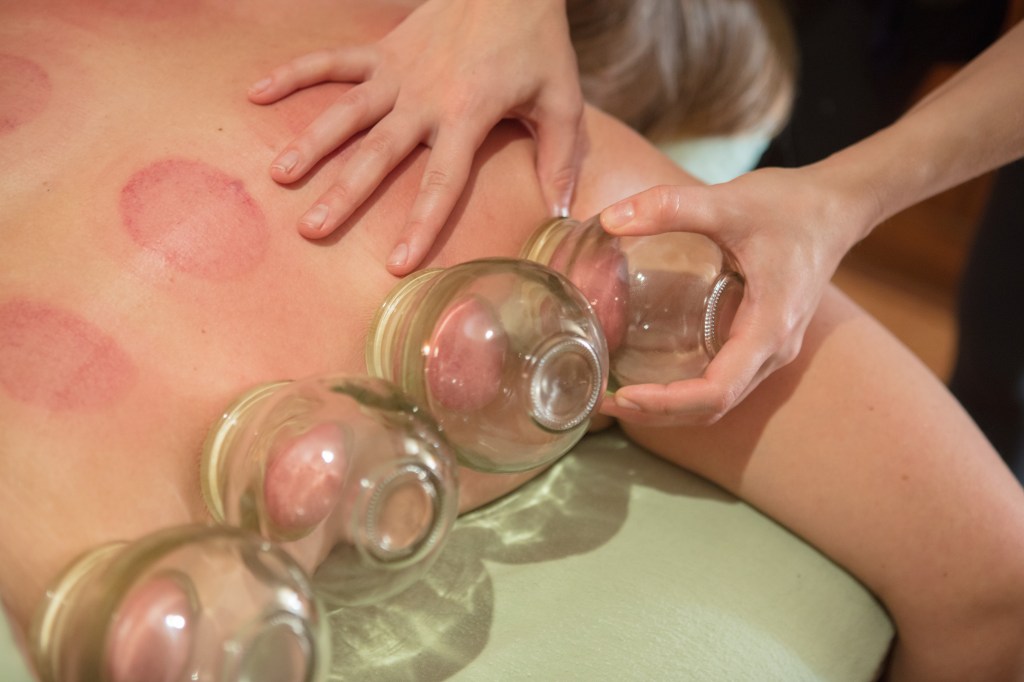
Fire Cupping
Fire cupping became more popular after Michael Phelps’ use during the 2016 Summer Olympics. This modality was first documented as early as 3000 BCE in Egypt, 100 BCE in China, and 400 BCE in Greece, to treat internal and structural disease. Using a cotton wand soaked in rubbing alcohol, fire is swiveled inside fishbowl-shaped glass cups to create a low pressure area that “pulls” on tissues when placed on the body. This process helps to dispel stagnation in the body (blood, lymph, Qi) and has been used to aid the treatment of muscle tension, joint pain, blood disorders, rheumatic diseases, fertility and gynaecological disorders, skin problems, and respiratory issues as well as general physical and psychological well-being.
Find out more details on the benefits of Cupping from this 2020 Scholarly article The Role of Cupping Therapy in Pain Management: A Literature Review By Asma Al-Shidhani and Abdulaziz Al-Mahrezi.
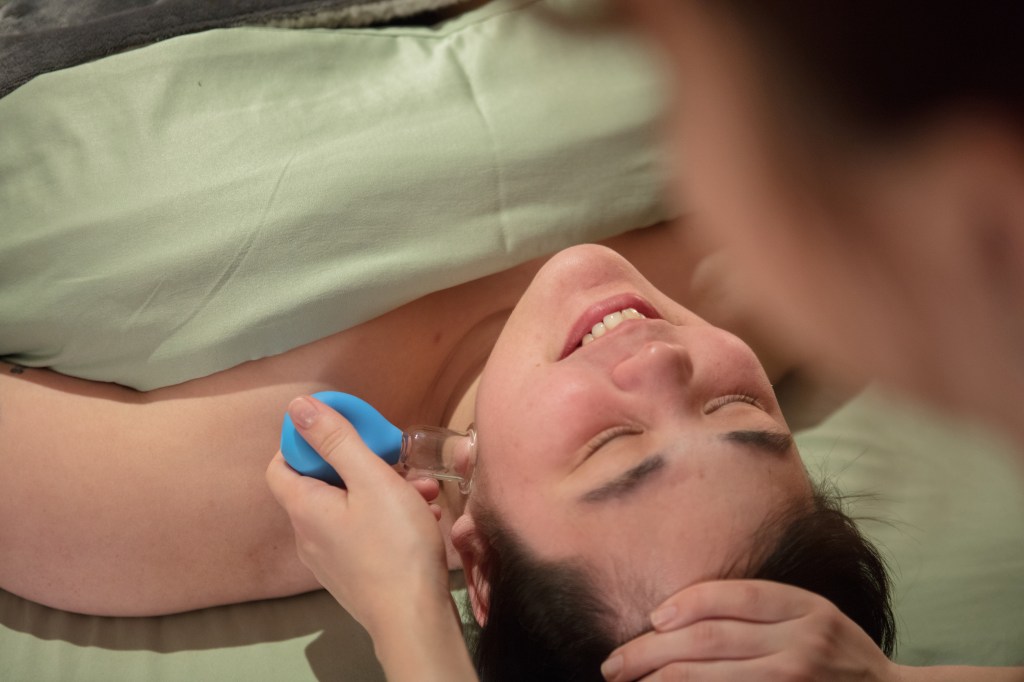
Facial Cupping
These small handblown glass Belletazze(tm) Bell Cups use a rubber bulb to create a pressure difference to stimulate skin and muscles. They are designed to be gentler for facial cupping, and rarely leave marks. Can be used to reduce wrinkles and scar tissue and help clear the sinuses.
Find out more details on the benefits of Facial Cupping from this article at Healthline.com.
EarthSpa Bells® Cups
Similar to Belletazze Bell Cups, these hand-blown cups have a rubber bulb, but are larger than the cups used for facial cupping. These are excellent tools for gentler work such as scar reduction, TMJD (temporomandibular joint dysfunction) pain reduction, as well as hard to reach places such as the scalenes and sternoclinomastoid on the neck.
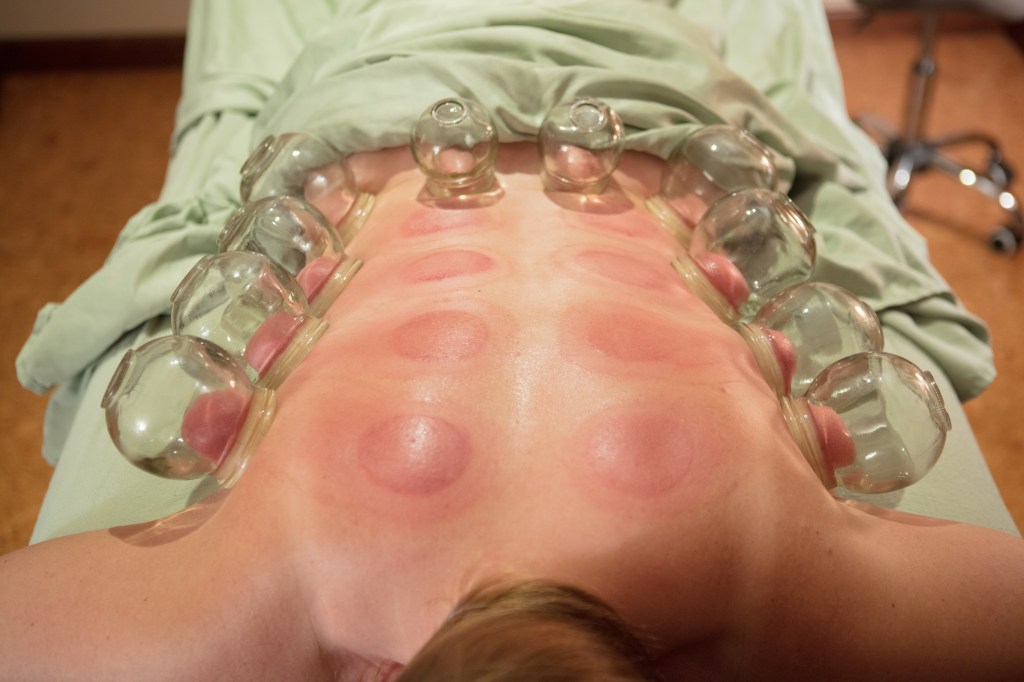

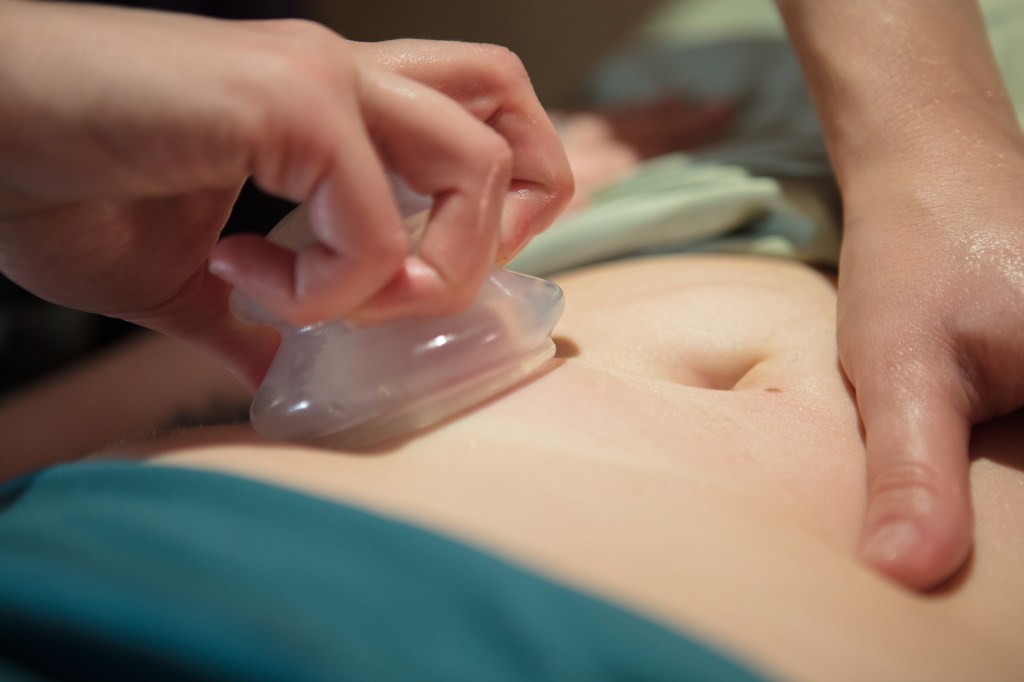
with Baguanfa(tm) Cups
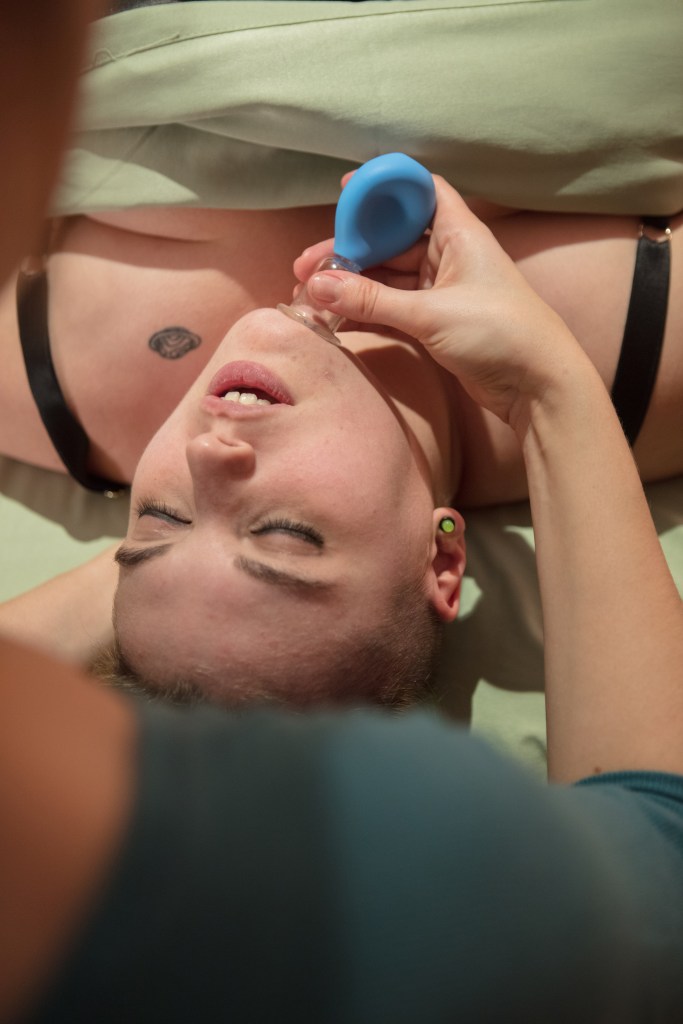
Facial Cupping
Wrinkle and Inflammation Reduction Regimen of the Face
with Belletazze(tm) Bell Cup

Massage Modalities
(muh•SAAZH mo•DAHL•ih•tees)
n. [singular modality] 1) A particular method or procedure in massage. 2) Various styles of massage.
ex. Here at Unravel Massage, we believe in mixing various modalities for what best suits the client.
Swedish Massage
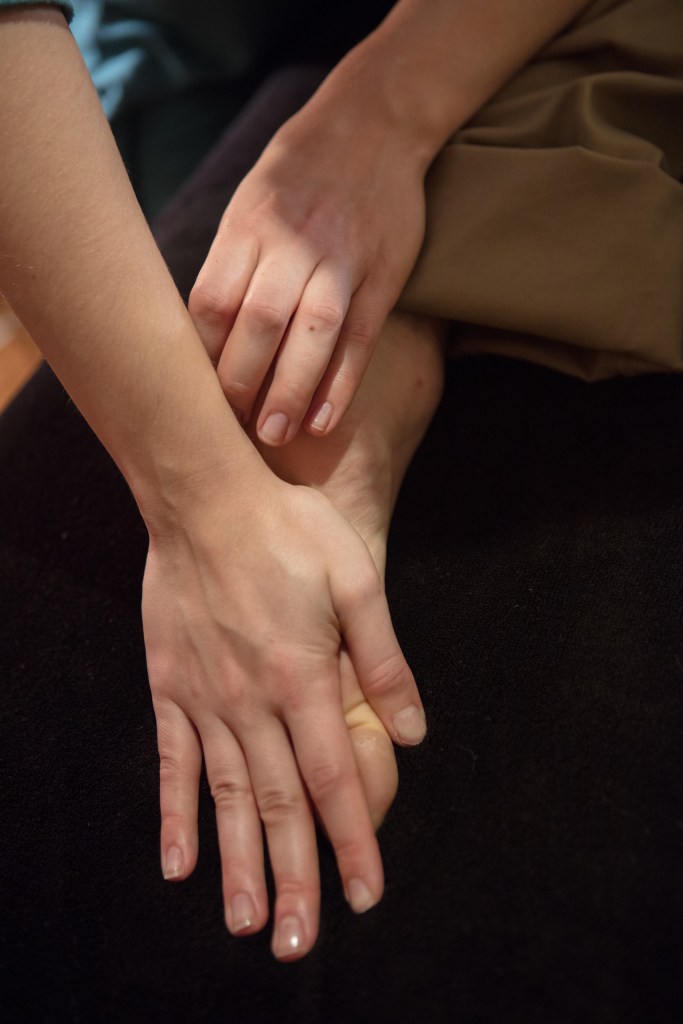
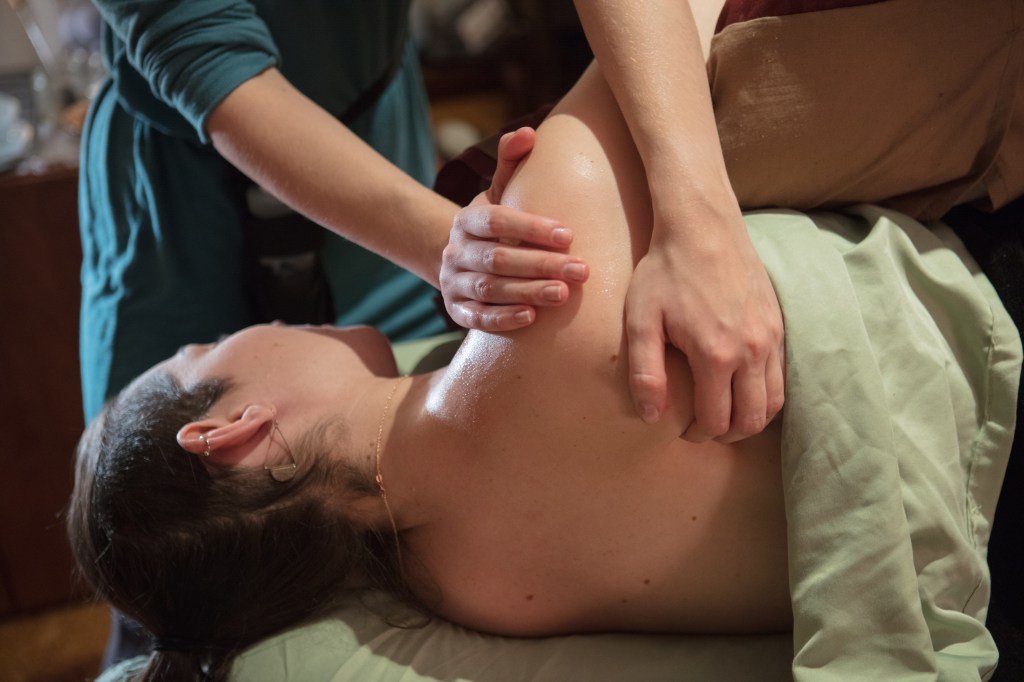
This modality is what is often thought of when massage comes to mind. The practitioner uses oil and effleurage (long gliding strokes) to warm and activate the muscles to relieve tension.

Pregnancy Massage
This one’s fairly self explanatory. This is massage geared towards aiding in pain management during the child bearing process. Typically this modality is received while side-lying on the massage table with pillows strategically bolstering the body for extra support.
Reflexology
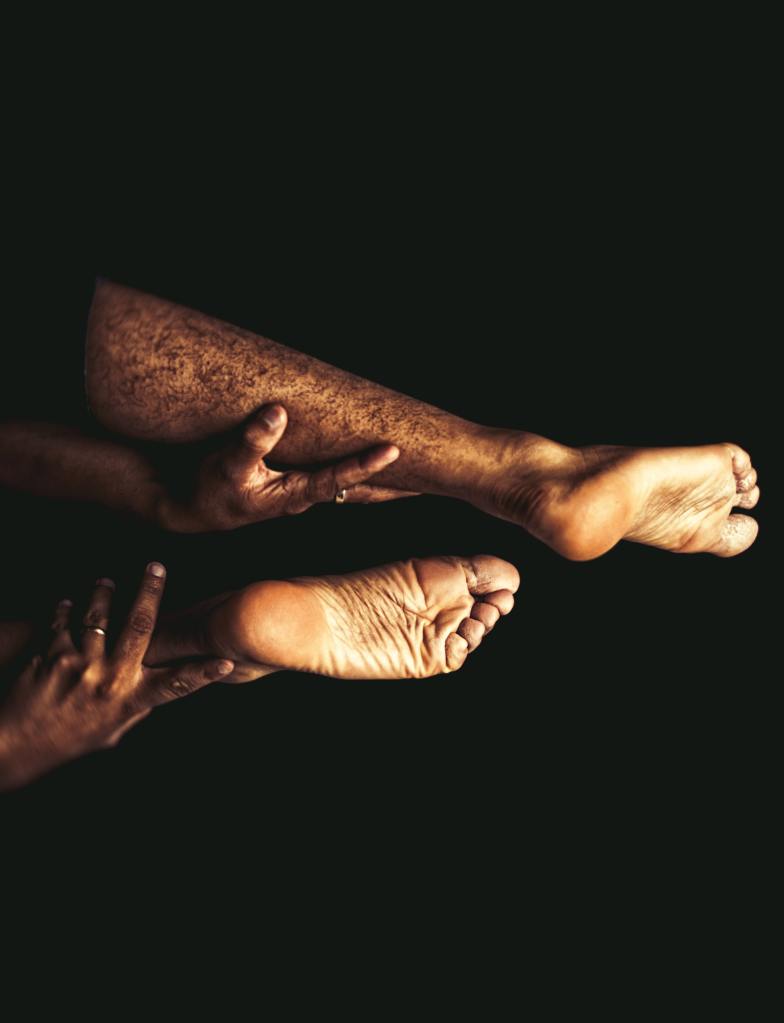
A similar practice to acupressure, reflexology uses predetermined reflex points to connect to the rest of the body system, based on the the theory that there are points on the feet, hands, and head that reflects the rest of the body’s tension and illness.
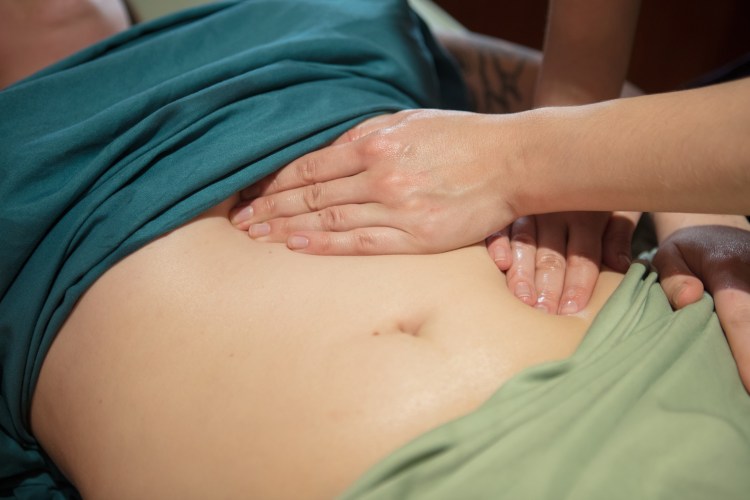
Myofascial Release
Our entire body structure is supported, binded, separated, and protected with connective tissue. Often these tissues harden, preventing flow of movement and causing pain and stiffness.
Myofascial release work uses gentle pressure to get even as deep as the bone to eliminate pain and restore motion. There is a common misconception of “no pain, no gain”, whereas Myofascial Release is one of many lighter modalities that can effect deep tissue with lighter pressure.
Myofascial restrictions can produce tensile pressures of approximately 2,000 pounds per square inch, and are not findable on x-rays, myelograms, CAT scans, electromyography, etc.
Only lighter pressure allows the body to relax enough to melt and move; anything heavier causes the body to fight and resist.
This can be an oil-less modality, so direct contact with the skin can be used to gently and slowly coax the body into letting go of trauma, inflammatory responses, and myofascial restrictions left from surgery. This technique can also be used to reduce inflammation, such as in the ankles and wrists.
Acupressure (Shiatsu)
Acupressure, also known as shiatsu (translating to finger pressure in Japanese) uses mild targeted pressure on points of the body (whereas trigger point therapy uses more forceful pressure) to do deep work. This modality uses principles similar to those of acupuncture but without the needles. The practitioner may choose points predetermined by Chinese meridian lines, or may choose points that the practitioner is drawn to for energetic or physical purposes.

Sports-Massage
Sports-massage doesn’t just have to be for athletes! This upbeat rehabilitative modality promotes flexibility, reduces fatigue, improves endurance, and helps prevent injuries. Kinesiology (the study of movement) pairs excellently with sports-massage, specifically Proprioceptive Neuromuscular Facilitation (PNF). In PNF muscles are stretched and contracted for flexibility training, using methods like range of motion, pin and stretch, and post isometric relaxation. These can also be used for rehabilitation, as well as preventative maintenance.

Cranial Sacral Therapy
This modality is heavily researched by the Upledger Institute, and uses five grams of targeted touch to manipulate the fascia and structures within and surrounding the central nervous system. Whether this work is nudging bones or resetting the Cerebrospinal Fluid flow from obstructions, Cranial Sacral Therapy continues to show its effectiveness in studies and medical results for releasing and alleviating compression, stress, and pain. Clinical studies performed by the Upledger Institute have repeatedly found significant evidence of this modality’s effects on ADD, ADHD, Autism, Cerebral Palsy, Headaches, Cancer, and several other chronic conditions of the nervous system.
Polarity
This modality works with the electromagnetic fields that pass through the body to balance the positive and negative poles. Some practitioners see this as a human energy field, or auras, or intuitively feeling blocks in Qi. Manipulating these fields can reduce physical and mental stress, contribute to the body’s natural healing ability, or build a sense of calm.
Contact
Message (614) 360-9750
McKenna, LMT CT
Menu
Designed with WordPress
 Unravel Massage